

Best Functional Trainer with Smith Machine: Comprehensive Buyer’s Guide, Workouts & Maintenance
Overview: Why a Functional Trainer with Smith Machine is a Game-Changer
A functional trainer combined with a Smith machine merges two proven modalities into one versatile station: the dual-adjustable cable system (functional trainer) and the guided bar path (Smith machine). This hybrid design supports multi-planar, unilateral, and free-style resistance training while adding safety and load control for heavy compound lifts. For gym owners, personal trainers, and dedicated home users, the combination reduces the need for multiple pieces of equipment—saving floor space and improving program variety.
Market trends show a sustained interest in hybrid strength stations. Following the pandemic-driven spike in home fitness purchases, many operators have invested in multi-functional rigs: commercial installers report a 20–35% increase in demand for combination rigs over single-purpose machines. Practical advantages include:
- Space efficiency: One footprint typically replaces a cable crossover, squat rack, and smith machine.
- Programming flexibility: Cable-based unilateral work plus guided barbell strength sets in the same zone.
- Safety and accessibility: Smith machines lower technical barriers for heavy squats and presses while functional trainers provide scapular-friendly cable lines.
Real-world application: a boutique studio can program strength circuits that alternate between cable rows, smith-machine split squats, and cable anti-rotation chops with minimal transition time. For physical therapy clinics, the device enables controlled eccentric work and progressive load increases with precise safety stops.
Key performance specs to evaluate include: weight stack capacity (typical commercial stacks: 200–260 lb per side), cable length and adjustability (minimum 80–120" of travel), Smith bar load rating (600–1200 lb for commercial units), footprint (expect 6–10 ft width and 4–6 ft depth), and warranty terms (commercial: 2–5 years components; residential often longer for paint/finish). Consider certification and compliance: look for ASTM or EN standards when purchasing for public facilities.
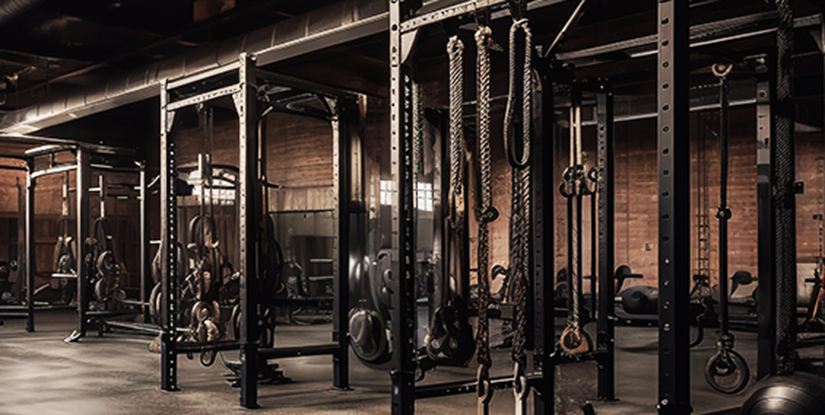
Visual elements description: imagine a 7–8 foot tall steel frame, dual 180° pulleys with multi-position handles, an integrated vertical Smith rail next to a counterbalanced bar, and storage posts for plates or accessories. Many models include optional leg press attachments, adjustable benches, and band pegs—further increasing functionality.
Choosing the Best Functional Trainer with Smith Machine: Feature Checklist and Buying Process
Choosing the ideal hybrid unit requires matching technical features to training goals, budget, space, and user demographics. Follow this structured selection process to ensure a balance between capability and cost-effectiveness.
Step 1 — Define use case and capacity needs:
- Home user: Prioritize footprint, noise level, and residential warranties. A 200–300 kg (440–660 lb) Smith bar rating may be excessive; 600–800 lb rated bars often suffice.
- Personal trainer / small studio: Seek a commercial frame (11–14-gauge steel), modular attachments, and robust pulley bearings that support frequent transitions.
- Large commercial gym: Choose heavy-duty smith rails (1"+ steel guide rods), dual 220–300 lb stacks, and integrated plate loading or selectorized resistance that handles continuous high-volume use.
Step 2 — Evaluate technical features:
- Weight stacks vs plate-loaded: Stacks provide fast load changes; plate-loaded offers infinite increments and higher maximum loads. Choose based on training emphasis (powerlifting favors plate-loaded capacity).
- Pulleys and cable routing: Look for sealed bearings, 4:1 or 2:1 pulley ratios that affect effective resistance, and adjustable pulley heights at 1" increments for precise line of pull.
- Smith bar mechanics: Determine if the bar is counterbalanced (easier to unrack), has linear bearings (smoother travel), and built-in safety catches with micro-adjustments.
- Accessories and modularity: Bench compatibility, attachment points for landmine, low row footplates, and band pegs extend utility.
Step 3 — Installation, delivery, and warranty:
- Floor loading: Calculate point load and distributed load. Commercial units often exceed 800 kg total—confirm floor capacity and consider rubber flooring.
- Assembly complexity: Expect 4–8 hours for experienced installers; assess whether the vendor provides pro installation and calibration.
- Warranty and service network: Prefer vendors with nationwide servicing and clear parts pricing. Verify availability of spare cables and bushings.
Pricing expectations (ballpark): residential hybrids: $2,000–5,000; light-commercial: $6,000–12,000; commercial-grade rigs: $12,000–30,000+ depending on attachments, finishes, and capacity. When comparing models, use a checklist matrix—rank each model on durability, adjustability, safety features, and total cost of ownership (initial price + expected maintenance over 5 years).
Step-by-Step Selection Guide: From Specs to Purchase
Follow this practical 8-step checklist to choose a model that matches both technical needs and operational realities:
- Measure available floor space and ceiling height; allow 2–3 ft clearance for movement and accessory storage.
- List primary training goals (strength, hypertrophy, rehab, group classes) and required attachments (leg press, cable handles, chin bar).
- Compare weight stack capacity vs plate capacity; ensure increments match training progression—aim for 2.5–5 lb smallest increments for fine tuning.
- Inspect pulley components: ask for materials (nylon vs steel bearings), rated cable strength (e.g., 6,000–10,000 lb tensile for commercial), and warranty on moving parts.
- Test bar smoothness and catch reliability in person if possible; assess counterbalance and starting tension on the Smith bar.
- Request load-case scenarios from the vendor (e.g., daily uses per machine sample) and ask about mean time between failures (MTBF) for electronic or moving parts.
- Budget for installation and optional add-ons; include freight, assembly, and protective flooring in the total cost estimate.
- Verify post-purchase support: spare parts lead times and service contracts.
Example: A 12-client boutique studio selecting a hybrid unit should prioritize dual 220 lb stacks, a smooth linear-bearing Smith bar, and a high-load leg press attachment. This configuration balances group class versatility with heavy-load capability for strength classes.
Installation and Safety Best Practices
Correct installation and user education reduce liability and extend equipment life. Follow these best practices:
- Professional installation: Use certified installers with experience mounting heavy rigs—especially important where anchor bolts are required.
- Leveling and anchoring: Ensure the unit is level on all axes; if anchoring to concrete, use chemical anchors for long-term stability.
- User orientation: Provide a 30–45 minute induction for first-time users, covering safe racking, Smith bar engagement, emergency stops, and cable handling.
- Signage: Mount clear load limits, emergency instructions, and allowable attachments in easily visible locations.
- Regular inspections: Daily visual checks for frayed cables or loose fasteners; monthly function tests for catches and pulleys; annual full-spectrum safety audits by a qualified technician.
Case example: a university rec center avoided a major insurance claim after identifying a worn cable during a monthly inspection. Early replacement prevented a catastrophic failure under load.
Training Programs, Workouts, and Maintenance Protocols
The hybrid trainer allows program designers to integrate compound smith lifts with cable-based movements for balanced development. Below are practical templates, progression tips, and maintenance protocols tailored to typical users: athletes, hypertrophy seekers, and rehab clients.
Real-world programming principle: alternate guided heavy sets (Smith bar) with cable-driven accessory work in a superset format to maximize time-efficiency and metabolic stimulus. For example, perform three working sets of Smith back squats followed immediately by three sets of single-arm cable RDLs for unilateral posterior chain balance.
Training templates (examples):
- Strength microcycle (4 weeks): 3 sessions per week. Session A—Smith heavy squat 5x5 + cable single-leg extensions 3x8; Session B—Smith bench press 5x5 + cable row 4x10.
- Hypertrophy microcycle: 4 sessions per week. Use 8–12 rep ranges on both Smith and cables, shorter rest (60–90s) and slow eccentrics (3–4s).
- Rehab & mobility: Low-load Smith-controlled squats to a box plus cable anti-rotation chops, band-assisted movement patterns, and incremental loading with emphasis on pain-free ROM.
Progression strategies:
- Linear load increases for novices: +2–5% per week until plateau.
- Autoregulatory progression for intermediates: RPE or velocity-based cutoffs; use cable tension to fill accessory volume without failing the CNS.
- Deload weeks: Every 4–6 weeks reduce volume by 40–60% while maintaining movement quality.
Case study: A personal trainer reported 12-week client results showing a 22% improvement in 3RM squat when integrating two Smith heavy days plus three cable accessory supersets per week. The guided bar reduced technical breakdown and allowed safe volume accumulation.
Sample Workout Plans for Different Goals
Below are three targeted sample workouts—strength, hypertrophy, and conditioning—each designed for a single hybrid unit and easily modifiable for group classes or individual sessions.
Strength-focused session (60–75 min):
- Warm-up: 10 min mobility + banded hip work.
- Smith bar back squat: 5 sets x 5 reps (85% 1RM).
- Smith bar Romanian deadlift: 4x6 (controlled tempo 3-1-2).
- Single-arm cable row: 4x8 per side superset with cable pallof press 3x10.
- Accessory: cable glute bridge 3x12.
Hypertrophy session (50–60 min):
- Warm-up: dynamic 8 min.
- Smith incline press: 4x8–10.
- Cable flyes: 3x12–15 immediately after.
- Smith split squat: 3x10 per leg supersetted with cable leg curl 3x12.
- Finisher: high-rep cable lateral raises 2x20.
Conditioning/Metcon (30–40 min):
- AMRAP 20: 8 Smith thrusters (moderate), 12 cable rows, 16 walking lunges (bodyweight), rest as needed.
- Cool-down: 10 min mobility and foam rolling.
These templates emphasize time-saving transitions between smith and cable work; adjust loads and reps per individual capacity.
Maintenance, Troubleshooting and Long-Term Care
Equipment longevity depends on proactive maintenance and timely repairs. Implement a tiered maintenance schedule with clear responsibilities and record-keeping:
- Daily: Visual inspection for frayed cables, loose pins, and unusual noises. Wipe down sweat-prone areas to prevent corrosion.
- Weekly: Check fastener torque on high-stress bolts, inspect pulley alignment, and clean guide rods for Smith bar lubrication (use light machine oil as vendor recommends).
- Monthly: Test safety catches, inspect weight stack pin integrity, and test all adjustable positions for smooth locking.
- Quarterly/Annually: Replace wear items—cables (every 2–3 years depending on use), nylon bushings, and check welds for micro-cracks in commercial high-use environments.
Troubleshooting tips:
- Uneven pulley resistance: inspect for bent pulleys or misaligned brackets; replace damaged sheaves and re-route cable if abrasion observed.
- Smith bar binding: clean guide rods, check for bent rod, replace linear bearings if worn, and verify frame square.
- Noise or squeak: identify contact points, lubricate per manufacturer, and tighten loose hardware.
Document repairs with date, technician, and parts used. For commercial assets, maintain a 5-year lifecycle plan and budget 10–20% of purchase price annually for parts and service on high-usage equipment.
FAQs
Q1: What is the best functional trainer with Smith machine for a home gym?
A1: For home gyms prioritize space-efficient models with residential warranty, counterbalanced Smith bars, and 160–220 lb weight stacks. Look for compact footprints (under 9 ft wide) and user-friendly adjustments. Consider brands with clear parts availability and optional add-ons like leg press.
Q2: Should I choose weight stacks or plate-loaded on a hybrid unit?
A2: Choose weight stacks for faster transitions and precise increments; choose plate-loaded if you require higher maximal loads and infinite micro-loading, common in strength-focused commercial facilities.
Q3: How much floor space do I need?
A3: Minimum recommended footprint is 6 ft width x 4 ft depth for compact units; commercial rigs may require 8–10 ft width and 6 ft depth plus 2–3 ft clearance for movement.
Q4: Are Smith machines safe compared to free weights?
A4: Smith machines add safety through a guided bar path and safety catches, reducing technical demands. However, they alter natural bar trajectory—use them to complement, not replace, free-weight training when possible.
Q5: Can a hybrid unit handle Olympic lifts?
A5: Most Smith bars are not designed for dynamic Olympic lifts due to guided mechanics. Use free bars and dedicated platforms for snatches and cleans. Use hybrid units for strength variations and accessory work.
Q6: What maintenance is most critical?
A6: Cable inspection, pulley bearing health, Smith guide rod lubrication, and fastener torque checks are critical. Replace frayed cables immediately and keep a log of inspections.
Q7: How many attachments should I expect to need?
A7: Essentials include adjustable bench compatibility, single-handle attachments, ankle straps, lat pulldown bar, and optional leg press or landmine. Prioritize user demographics when selecting extras.
Q8: How durable are commercial vs residential models?
A8: Commercial models use thicker steel, industrial bearings, and higher-rated cables—designed for continuous daily use. Residential models reduce material thickness and are intended for lower-frequency use.
Q9: Can this unit replace a full rack?
A9: For many users, yes—hybrids cover pressing, squatting, pulling, and accessory movements. Heavy powerlifting specialties (maximal deadlifts/off-bar squats) may still benefit from a dedicated full rack and platform.
Q10: Are hybrids cost-effective for gyms?
A10: Hybrids often reduce the number of separate machines needed, lowering initial capital and floor space costs. Evaluate throughput and user preferences to ensure the hybrid meets demand patterns.
Q11: How should novices be introduced to the Smith bar?
A11: Start with counterbalanced bars, teach proper bracing and rack/unwrap technique, use box or bench depth cues, and progress load only after consistent form is demonstrated.
Q12: Where can I find replacement parts?
A12: Obtain parts directly from the manufacturer or authorized dealers. Keep a basic spare-parts inventory: cables, pins, bushings, and a spare high-tensile pin for weight stacks. For commercial setups, maintain a service contract for quicker turnaround.