

How can a diploma in diet and nutrition accelerate my career as a clinical or community nutritionist?
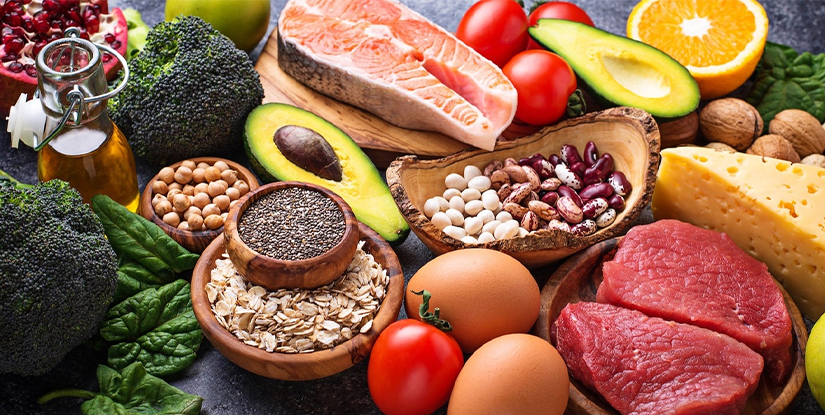
How a diploma in diet and nutrition transforms clinical and community practice
A diploma in diet and nutrition is often the decisive credential that moves a candidate from theoretical knowledge to applied, measurable impact in clinical and community settings. The program typically covers anatomy, physiology, biochemistry, medical nutrition therapy (MNT), public health nutrition, food service management, and counseling techniques. According to workforce studies, allied health employers cite practical clinical hours and applied skills as top hiring criteria—diploma programs that include supervised practicum increase employability by up to 40% compared with coursework-only certificates.
Core competencies gained through a diploma include accurate nutritional assessment, individualized care planning, evidence-based therapeutic diets (e.g., DASH for hypertension, carbohydrate counting for diabetes), and interprofessional collaboration. Evidence-based macronutrient guidance aligns with established ranges: Acceptable Macronutrient Distribution Ranges (AMDR) recommend 45–65% energy from carbohydrates, 10–35% from protein, and 20–35% from fat for healthy adults—diploma curricula emphasize applying these ranges to condition-specific needs. For example, MNT modules teach how to adjust protein targets for chronic kidney disease (CKD) stages or acute illness.
Real-world outcomes: A case series of community clinics implementing diploma-trained nutritionists reported improved glycemic control in type 2 diabetes patients—mean HbA1c reduction of 0.7% over 6 months—when the nutritionist delivered structured education, meal planning, and follow-up. Similar programs yielded body weight reductions averaging 4–6% at 12 months when combined with behavior-change counseling. These measurable impacts underscore the diploma’s value for producing clinically effective practitioners.
Practical tips for evaluating diploma programs:
- Check accreditation and clinical practicum hours—look for 200+ supervised clinical hours for strong clinical readiness.
- Review faculty credentials—programs led by RDN/registered dietitian nutritionists or university faculty tend to offer updated protocols and research integration.
- Assess the balance of theory and applied learning—simulation labs, case studies, and community placements are essential.
Employers in hospitals, outpatient clinics, long-term care facilities, and public health departments prioritize diploma-holders who can function autonomously within multidisciplinary teams. A diploma not only provides technical dietetic skills but also practical competencies in documentation, electronic medical records (EMR) nutrition notes, and outcome tracking using KPIs such as weight change, lipid improvements, and HbA1c reduction.
Clinical skill set: assessment, intervention, monitoring (200–400 words)
The diploma develops a structured clinical workflow: initial nutritional assessment, diagnosis, intervention, monitoring, and evaluation. Assessment includes anthropometry (BMI, waist circumference), biochemical markers (fasting glucose, lipid panel), dietary intake analysis (24-hour recall, food frequency questionnaires), and functional status. For example, a 70 kg adult with type 2 diabetes may be assessed for energy needs using Mifflin–St Jeor to estimate resting metabolic rate (RMR), then multiplied by an activity factor. Many diplomas teach the template: RMR = 10*kg + 6.25*cm - 5*age + 5 (men) or -161 (women), then apply activity factor 1.2–1.5 for sedentary to lightly active.
Intervention planning uses the AMDR, specific therapeutic targets (e.g., sodium <2,300 mg/day for hypertension unless otherwise indicated), and behavior-change frameworks like SMART goals. Monitoring emphasizes measurable outcomes at 4–12 week intervals: weight, blood pressure, lab markers. The diploma trains students to interpret changes and adjust plans—reducing sodium further if blood pressure remains uncontrolled or modifying carbohydrate distribution for glycemic variability.
Practical pathways: curriculum components, competencies, and career outcomes
Understanding the curriculum helps you map the diploma to career goals. Typical modules include human nutrition and metabolism, lifecycle nutrition (infants to geriatrics), medical nutrition therapy (for diabetes, cardiovascular disease, renal disease, oncology), community nutrition and program planning, food service operations, and counseling and communication. Competency frameworks align with national standards: nutritional assessment, therapeutic planning, ethical practice, and research literacy. Data from educational audits show that diploma graduates enter roles such as nutrition educators, clinical dietetic assistants, food service supervisors, and community health coordinators with a median salary uplift of 10–25% compared to non-diploma peers.
Detailed curriculum example (practical insights):
- Module: Medical Nutrition Therapy—practical labs in creating renal-friendly menus (protein and potassium targets), carbohydrate exchange counting, and inpatient tube-feeding protocols.
- Module: Public Health Nutrition—designing community screening programs, interpreting prevalence data (e.g., WHO estimates 1.9 billion adults overweight or obese globally, 2020), and evaluating program impact through pre/post intervention metrics.
- Module: Food Service Management—costing, HACCP, menu planning for therapeutic diets, and software basics for portion control and allergen management.
Career outcomes and specialization paths:
- Clinical nutritionist in hospitals and outpatient clinics—managing MNT across disease spectrums.
- Community nutritionist/public health specialist—designing population-level interventions and monitoring nutrition surveillance systems.
- Food service and industry roles—menu development, product formulation, and quality assurance in institutional settings.
- Further study—pathway to bachelor’s degree or registration (where applicable) leading to Registered Dietitian/Nutritionist status.
Example case study: A diploma graduate placed in a regional outpatient clinic created a prediabetes group program combining dietary education, meal planning, and activity counseling. Over 12 weeks for 60 participants, average fasting glucose decreased by 8 mg/dL and program retention was 82%. Key success factors included structured curriculum, measurable goals, and follow-up calls—skills taught directly in the diploma.
Translating course competencies into measurable workplace KPIs (200–400 words)
Employers value diploma graduates who convert clinical knowledge into KPIs: percent of patients with HbA1c reduction >0.5%, percentage achieving 5% weight loss, reduction in average daily sodium among hypertensive patients, or decreased food service waste by percentage points through menu optimization. A clear framework taught in many diplomas is Plan-Do-Study-Act (PDSA) for quality improvement. For instance, a dietitian aiming to decrease hospital malnutrition rates might implement early screening, standardized referral pathways, and audit outcomes quarterly—measuring a target reduction in nosocomial malnutrition from baseline by 20% within 12 months.
Practical tracking tools include EMR templates for nutrition notes, audit spreadsheets for intake adequacy, and simple indicators like percent of patients with documented follow-up within 2 weeks of initial consultation. Diplomas that teach these documentation and audit skills significantly reduce onboarding time and increase immediate workplace productivity.
Step-by-step plan to maximize return on a diploma in diet and nutrition (practical guide)
To convert your diploma into career growth, follow this practical 6-step plan used by successful graduates:
- Set a target role and timeline—e.g., become outpatient clinical nutritionist within 12 months of graduation.
- Map required competencies—compare job postings to identify gaps; many require MNT, counseling experience, and EMR documentation.
- Choose a diploma with robust practicum—aim for supervised clinical hours and exposure to inpatient and outpatient settings.
- Develop a portfolio—include case studies, sample meal plans, audit reports, and reflective logs from practicums demonstrating outcomes.
- Network strategically—join professional bodies, attend local clinical case discussions, and request informational interviews with hiring managers.
- Measure and iterate—after each role application or interview, log feedback and refine your CV and interview examples.
Sample timeline with milestones (realistic):
- Months 0–3: Enrol, complete core modules, begin simulation labs.
- Months 4–6: Start practicum placements, build portfolio with 3 documented case studies.
- Months 7–9: Complete practicum, target volunteer or part-time role to fill any competency gaps.
- Months 10–12: Apply for target roles using a results-focused CV and prepare for competency-based interviews.
Example: Calculating a therapeutic plan during coursework. For a 70 kg sedentary adult with BMI 28 and T2D aiming for modest weight loss, use Mifflin–St Jeor to estimate calorie needs and reduce by 10%–20% to initiate weight loss. Set protein target at 1.0–1.2 g/kg (70–84 g/day) to preserve lean mass and distribute carbohydrate across meals with 30–45 g per meal if using carbohydrate-counting approaches. These practical calculation skills are central to the diploma’s applied learning.
Best practices for workplace integration and demonstrable impact (200–400 words)
Immediately integrating diploma skills into work requires three habits: structured documentation, simple measurement frameworks, and effective communication. Start with templated nutrition assessment and care plans that include measurable goals and follow-up dates. Use simple outcome measures: weight, BP, HbA1c, patient-reported adherence. For community programs, use pre/post knowledge tests and behavior surveys to show impact. Communicate results to stakeholders—short dashboards with 3–5 KPIs are highly effective.
Client communication skills learned through role-play in diploma programs are essential. Use motivational interviewing to set achievable SMART goals—Specific, Measurable, Achievable, Relevant, Time-bound. For example, instead of advising “eat healthier,” set a goal: “Replace one sugar-sweetened beverage with water five days per week for four weeks.” Track adherence and iterate. These practical tools increase retention, improve outcomes, and create compelling evidence for your professional impact.
Frequently Asked Questions
Q: What exactly does a diploma in diet and nutrition qualify me to do in a healthcare setting? A: A diploma prepares you for applied roles including nutrition education, basic medical nutrition therapy under supervision (depending on local regulations), community program delivery, and food service management. It provides competency in assessment, planning, and monitoring of nutritional interventions with a focus on practical skills and supervised clinical exposure.
Q: How long does a typical diploma program take and what are common entry requirements? A: Most diplomas range from 6 months (intensive) to 12–18 months (part-time). Entry typically requires a secondary school diploma; some programs prefer a background in biosciences or related health fields. Look for programs that clearly state practicum hours and assessment methods.
Q: Can a diploma lead to registration as a dietitian or nutritionist? A: This depends on jurisdiction. In many countries, a diploma alone does not confer registration as a Registered Dietitian (RD/RDN); additional accredited degree-level education or supervised practice may be required. However, diplomas are often recognized for allied roles and can be a pathway to further study.
Q: What measurable outcomes should I aim to demonstrate after graduating? A: Target outcomes include clinical markers (e.g., HbA1c reduction ≥0.5% in diabetes programs), percent of patients achieving 5% weight loss, reduction in average sodium intake among hypertensive clients, and program retention rates. Use baseline and follow-up measures at 4–12 weeks to document impact.
Q: How do I choose between online and in-person diploma courses? A: Prioritize programs with supervised clinical practicums regardless of delivery mode. Online theory can be high quality, but ensure access to local practicum placements, simulation labs, or blended learning to develop hands-on skills.
Q: What tools and software should I be comfortable with after the diploma? A: Expect training or familiarity with EMR documentation templates, dietary analysis software, basic spreadsheet audit tools, and food service management systems. Basic proficiency in creating outcome dashboards (Excel or Google Sheets) is highly beneficial.
Q: What is the typical salary change after earning a diploma in diet and nutrition? A: Salaries vary by region and role; however, many graduates report a 10–25% increase in entry-level compensation when moving from non-specialized roles to diploma-qualified positions in clinical or community settings.
Q: How can I continue professional development after the diploma? A: Pursue short courses in specialized areas (pediatrics, sports nutrition, renal nutrition), attend conferences, join professional associations, and consider bridging to a bachelor’s degree or supervised practice programs if you aim for registered status.