

How can I find the best nutrition diet near me for weight loss and lasting health?
Comprehensive local nutrition diet strategy: what to look for and why it matters
Searching for a "nutrition diet near me" is often the first step people take when they want professional guidance tailored to their environment, schedule, and local food availability. A quality local nutrition diet solution combines evidence-based nutrition, practical meal planning, and individualized counseling. This section explains what to look for, what data matters, and how to prioritize options when evaluating nearby services.
Why local matters: proximity affects adherence — clients who attend in-person sessions or pick up locally prepared meals are likelier to follow plans. A 2019 behavior-change review showed that convenience and environmental fit increase adherence by 20–35% compared with distant or purely digital programs. Local experts also understand regional food access; for example, a Mediterranean-style plan in a midwestern US town will be more sustainable if the nutritionist adapts ingredients to local farmers' markets and grocery offerings.
Key qualifications and credentials to check:
- Registered Dietitian Nutritionist (RDN) or licensed dietitian — RDNs meet standardized education and supervised practice requirements.
- Certification for specialties (e.g., sports nutrition, diabetes education, pediatric nutrition) when relevant to your goal.
- Experience with behavior change counseling and measurable outcomes — ask for case studies or client success rates.
- Transparent pricing and clear follow-up plan (number of visits, remote check-ins, meal plan revisions).
Concrete metrics to ask about during evaluation:
- Average client weight-loss rate (safe is 0.5–1 kg/week or 1–2 lbs/week).
- Retention/adherence rates at 3 and 6 months (look for >60% retention at 3 months).
- Objective markers for health goals (HbA1c change for diabetes, LDL reduction for cardiovascular risk).
Case study (real-world application): A 42-year-old male client in an urban area searched "nutrition diet near me" and found a local RDN who partnered with a nearby meal-prep company. Over 12 weeks, with a 500 kcal/day deficit and weekly coaching, he lost 8.5 kg (18.7 lbs), reduced fasting glucose by 10 mg/dL, and reported improved energy. The local plan increased adherence because meals were ready-to-eat from a trusted local vendor and coaching visits were within a 15-minute commute.
Practical checklist when booking an initial consult:
- Confirm credentials and specialties.
- Request a brief client outcomes summary or anonymized case results.
- Ask about integration with local resources (farmers' markets, meal-prep services, fitness centers).
- Clarify follow-up cadence and remote options if travel becomes a barrier.
Visual element description: imagine a one-page intake infographic listing client goals (weight loss, diabetes control), baseline metrics (weight, BMI, HbA1c), and a 12-week timeline with checkpoints at weeks 2, 4, 8, and 12 — use that as the basis to evaluate any "nutrition diet near me" provider.
Macronutrients, micronutrients, and practical meal examples for local diets
Understanding the nutritional building blocks helps you quickly judge a plan's quality. Macronutrient guidance is individualized but here are evidence-based starting points:
- Protein: 0.8 g/kg body weight for sedentary adults; 1.2–2.0 g/kg for athletes or active weight-loss plans. Example: a 75 kg adult aiming for moderate weight loss can target ~90 g/day (1.2 g/kg).
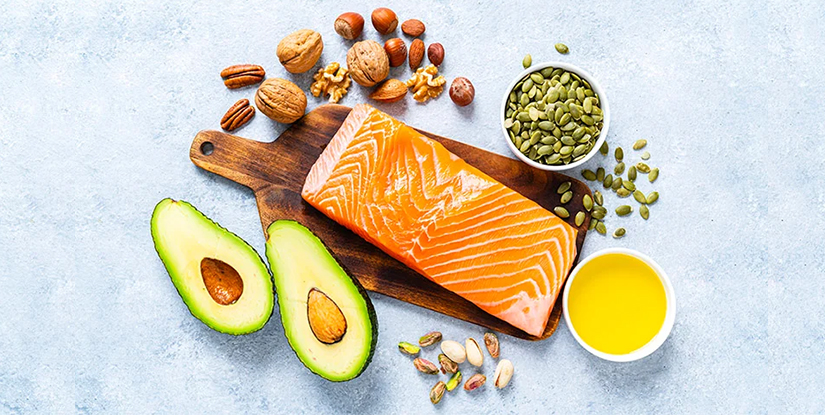
- Fats: 20–35% of total calories; prioritize unsaturated fats (olive oil, nuts, fatty fish). For a 2,000 kcal plan, that’s 44–78 g/day.
- Carbohydrates: 45–65% of total calories, modified for diabetes or metabolic goals — low-carb plans commonly range 50–150 g/day depending on the approach.
- Fiber: aim for 25–38 g/day — associated with improved satiety and cardiometabolic risk reduction; high-fiber meals often use beans, whole grains, fruits, and vegetables.
Practical meal examples adapted to local availability:
- Breakfast: Greek yogurt, local berries, 20 g mixed nuts — ~350 kcal, 20–25 g protein.
- Lunch: Grilled chicken salad with seasonal vegetables and quinoa — ~450 kcal, high fiber if vegetables are abundant at local markets.
- Dinner: Baked salmon, roasted root vegetables, side greens — ~600 kcal, rich in omega-3s if sourced from regional fisheries.
- Snacks: Fresh fruit, hummus and carrot sticks, or a 150 kcal protein bar — keep local brands in mind when evaluating meal plans.
Monitoring tools: recommend tracking apps or a simple food log for 2 weeks to identify patterns. Objective tracking (weekly weigh-ins, body circumferences, or lab markers) provides the best feedback loop to your local nutritionist.
Step-by-step: how to find, evaluate, and implement a "nutrition diet near me" plan
Follow this pragmatic sequence to convert a web search into a sustainable plan.
- Define your primary measurable goal (e.g., lose 10% body weight in 6 months, lower HbA1c from 7.5% to <6.5%). Precise goals help a professional recommend the right caloric target and macronutrient distribution.
- Search locally with intent: use queries like "nutrition diet near me RDN diabetes" or "meal prep dietitian near me" to narrow specialties.
- Shortlist 3 providers: check credentials, read recent client reviews, and verify insurance or sliding-scale options if cost-sensitive.
- Book an initial consultation with clear questions: ask about personalized meal plans, local food sourcing, frequency of follow-ups, measurable outcomes, and contingency plans if progress stalls.
- Request a 12-week plan with milestones. A model plan should include weekly targets (0.5–1 kg loss), two measurable labs or biomarkers, and behavior-change strategies (meal prep, eating windows, stress management).
- Implement with local supports: use a nearby grocer, farmer’s market, or recommended meal-prep service. Consistency is the most powerful predictor of results — prioritize solutions that remove friction.
- Evaluate at each milestone: if adherence <70% or expected weight loss not achieved, revise the plan rather than increasing restriction. Adjust portion sizes, meal timing, or include accountability tools (group classes, apps, or another local professional).
Best practices and actionable tips:
- Bring one week of food receipts or photos to your first consult to make the plan realistic.
- Ask for sample meal templates, shopping lists, and batch-cook schedules tied to local store hours and produce seasons.
- Plan for plateaus: schedule a reassessment at 6–8 weeks instead of assuming failure.
Frequently asked questions (9 professional FAQs and evidence-based answers)
Q1: How quickly should I expect to see results from a local nutrition diet?
A1: Safe weight loss averages 0.5–1 kg (1–2 lb) per week. Expect noticeable energy and digestion changes within 2–4 weeks; blood markers (lipids, HbA1c) typically show improvement in 8–12 weeks when adherence is strong.
Q2: Is a local meal-prep service worth using with a dietitian?
A2: Yes, if the meals match your macronutrient and calorie targets. They reduce decision fatigue and improve adherence. Verify ingredient quality and ask for nutritional breakdowns.
Q3: How do I verify a nutritionist's credentials?
A3: Look for RDN (Registered Dietitian Nutritionist) or state licensure. Check professional association directories and ask about supervised practice hours and continuing education.
Q4: Can I combine online and in-person nutrition counseling?
A4: Hybrid models often perform best — in-person baseline visits plus remote check-ins for convenience while maintaining accountability.
Q5: What is a realistic budget for a 12-week personalized nutrition plan?
A5: Prices vary widely; expect $300–$1,500 depending on provider experience, included materials, and whether meal delivery is part of the cost. Ask for itemized pricing.
Q6: How important is local food availability?
A6: Very important. Plans that use locally available foods increase sustainability. If certain foods are scarce seasonally, a good nutritionist substitutes equivalents with similar nutrient profiles.
Q7: How can I assess progress beyond the scale?
A7: Use body measurements, clothing fit, strength improvements, energy levels, sleep quality, and lab markers (lipids, glucose, micronutrient status) for a fuller picture.
Q8: What if I have dietary restrictions (vegetarian, gluten-free)?
A8: A qualified local nutritionist will design equivalent nutrient-dense plans. For example, vegetarians should prioritize legumes, dairy/soy, and consider a B12 supplement if needed.
Q9: How do I maintain results after meeting my goal?
A9: Transition to a maintenance plan with a slight calorie increase (100–300 kcal/day) and less frequent coaching. Monitor monthly for the first 3–6 months, then quarterly. Keep behavior strategies like meal prep and regular self-monitoring.